
The Attention Trap
How a system built on visibility quietly distorted dating, miscalibrated expectations, and left everyone adapting to incentives they didn’t choose

Most conversations about modern dating collapse into blame.
Men are told to improve.
Women are told to raise standards.
Everyone is told the problem is personal.
This essay takes a different approach.
Rather than asking who is failing, it asks what changed—how attention became a currency, how platforms reshaped incentives, and how rational people adapted to a system that no longer trains anyone for reciprocity, permanence, or satisfaction.
What follows isn’t a manifesto or a prescription. It’s an attempt to describe the dynamics as they actually operate, and the quiet psychological costs that emerge when visibility replaces intimacy and comparison becomes constant.
If you’ve felt disposable, restless, or strangely miscalibrated—even while doing “everything right”—this is an attempt to explain why.
The Attention Trap
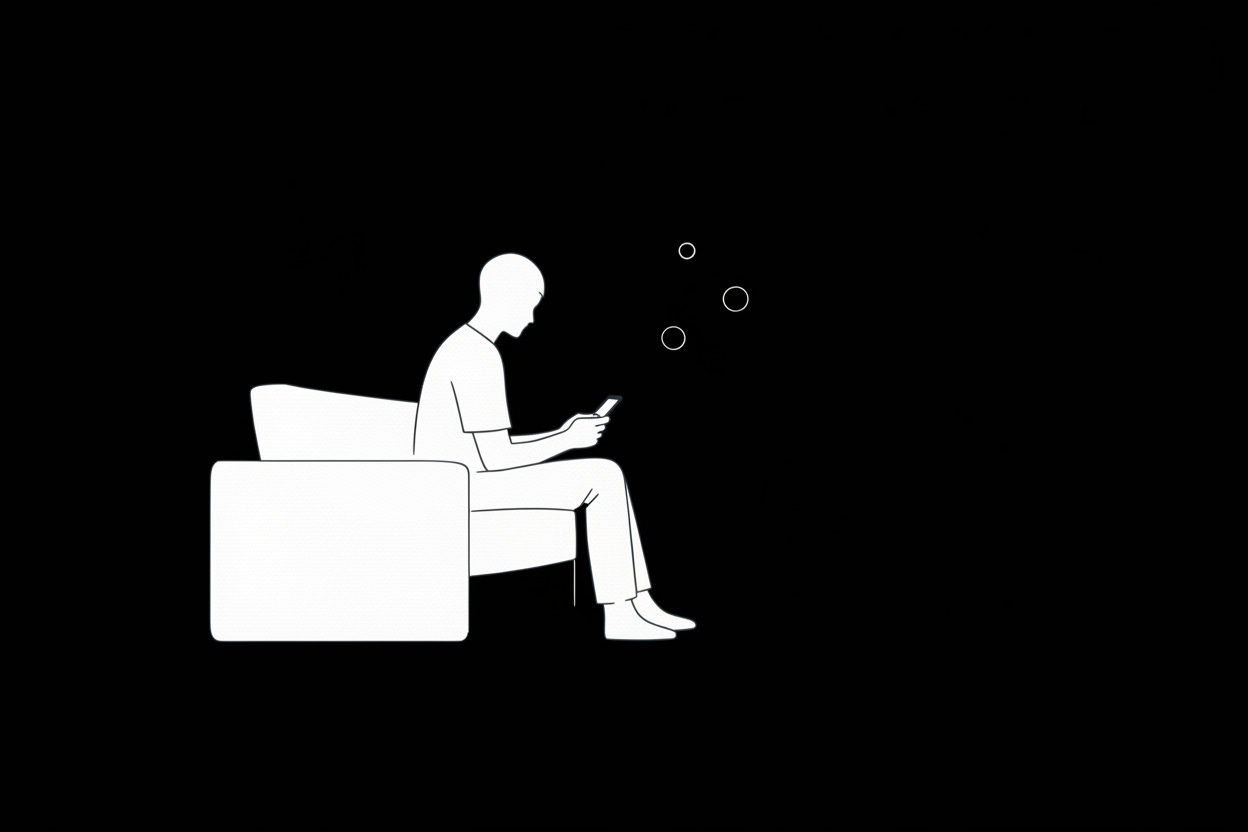
On a quiet Sunday night, a man scrolls through Instagram on his couch.
He’s thirty-two. He works. He goes to the gym. He isn’t a mess. He isn’t extraordinary either. As photo after photo passes by—women he knows, women he doesn’t—each image is surrounded by a halo of attention. Compliments. Fire emojis. Invitations. Validation delivered instantly, endlessly.
He doesn’t comment much. Mostly, he watches.
And without anyone saying it out loud, a message settles in:
I am replaceable. She is not.
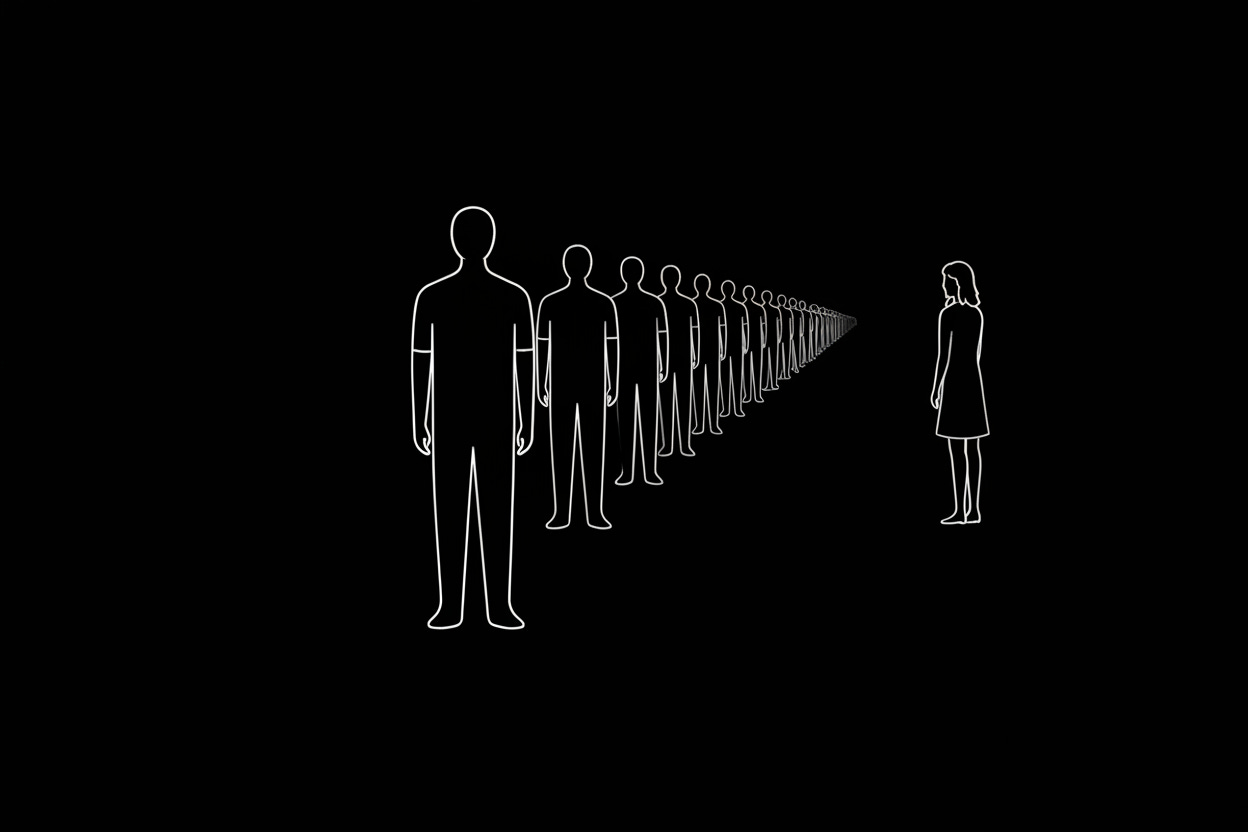
This isn’t a story about him.
It’s a story about a system that quietly rewrote the rules of pair bonding—and then blamed individuals for failing to adapt.
The Advice That Sounds Right—but Isn’t
When men talk about being pushed out of the dating market, the response is predictable.
Do better.
Level up.
Become the top twenty percent.
It sounds like tough love. Meritocratic. Sensible.
But it assumes something that is no longer true: that dating is still a fair, local market, where effort reliably translates into opportunity.
That world is gone.
For most of history, improvement mattered because it was visible within a finite pool. Reputation mattered. Contribution mattered. Status was earned within a community that had memory.
Social media erased those boundaries.
Today, a man doesn’t compete with the men in his town. He competes with a global, algorithmic feed. The “top twenty percent” is no longer a neighborhood phenomenon. It’s a platform effect.
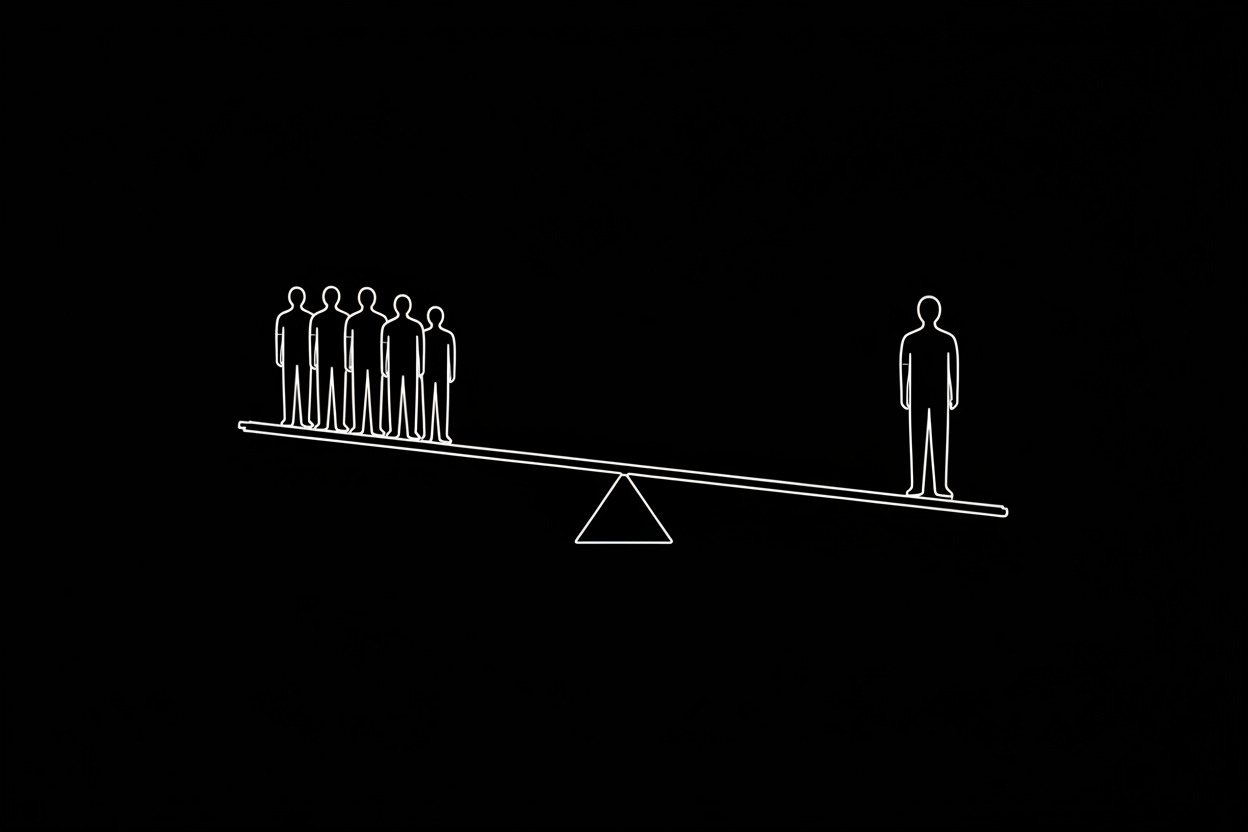
There are not enough slots.
Even if every excluded man improved, the math would not rebalance. Someone must remain surplus.
This isn’t a failure of effort.
It’s a failure of equilibrium.
The Imbalance That Shouldn’t Exist—but Does
Among young adults, women report being in romantic relationships at nearly twice the rate of men.
That should be impossible. Every heterosexual relationship has one man and one woman.
Yet the data persists.
The explanation isn’t scandalous. Women date older men. A small subset of men account for a disproportionate share of relationships. Definitions differ. Reporting differs.
The outcome is unavoidable: a growing class of men are structurally excluded from pair bonding, while women remain relationally engaged.
Those men don’t disappear.
They adapt.
And adaptation, in this system, looks like attention.
How Attention Replaces Reciprocity
When access to reciprocal relationships dries up, attention becomes the only remaining currency.
So men give it.
Likes. Messages. Compliments. Validation—freely, constantly, often anonymously.
Individually, each act seems harmless.
Collectively, it distorts the market.
Social platforms reward engagement, visibility, and affirmation. Women receive far more of it—not because of manipulation or vanity, but because the system is built to funnel attention toward them.
This isn’t romance.
It’s extracted validation.
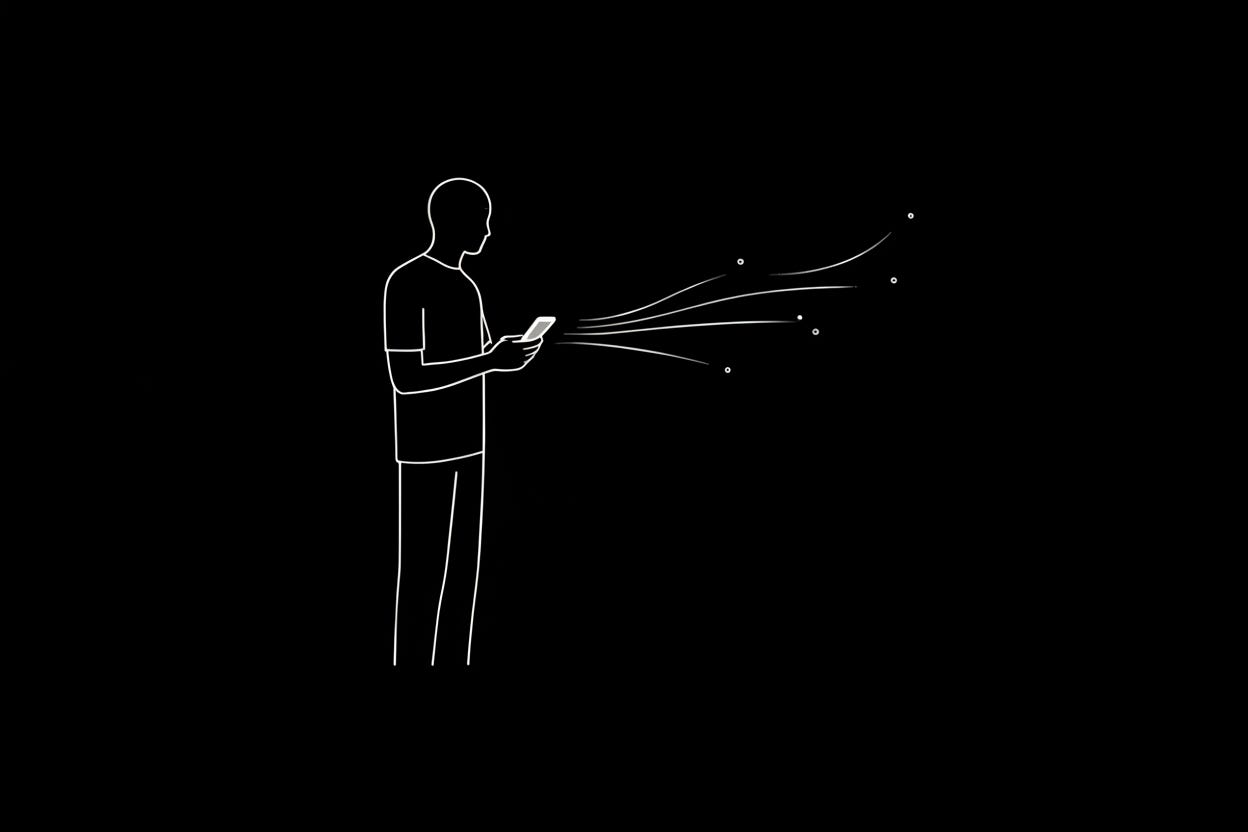
And it quietly rewires expectations.
The Alpha Widow Effect
Now introduce a dynamic rarely discussed openly.
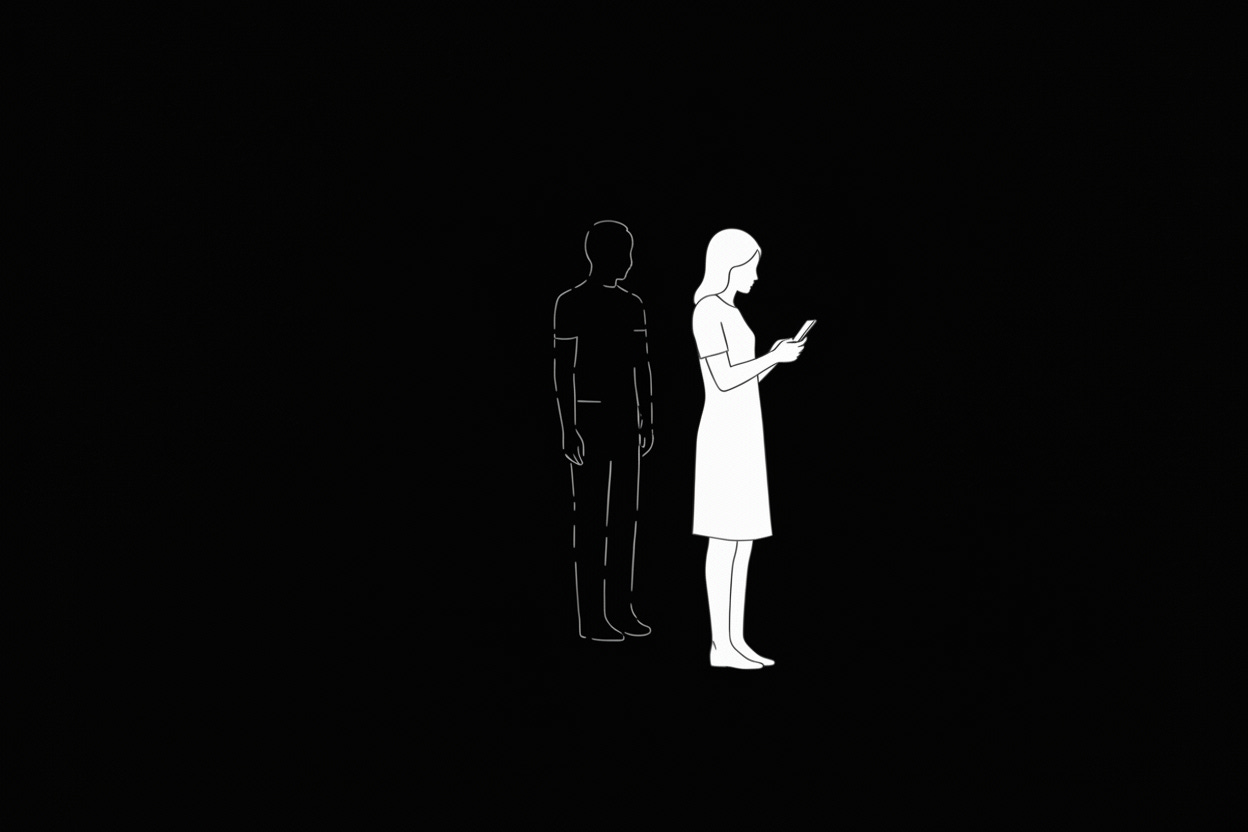
A woman matches with a man far above the local norm—an athlete passing through, a seven-figure entrepreneur, a traveler whose life exists between airports and hotels.
They connect. Maybe once. Maybe repeatedly over years whenever he passes through town. He never integrates her into his life. He never claims her publicly. The relationship exists in a sealed bubble—intense, exciting, unanchored.
He doesn’t deceive her.
But he resets the internal benchmark.
Not intentionally.
Not maliciously.
Why Standards Don’t Come Down
Exposure to intermittent access to top-tier men creates expectations that do not adjust downward.
If consistent access is unavailable, many women don’t revise expectations.
They wait.
They sample attention.
They delay settling.
And many remain alone.
Not temporarily. Permanently.
From an evolutionary perspective, this looks almost efficient: selection narrows, only the strongest reproduce.
But societies are not gene pools.
They are coordination systems.
And coordination fails when too many people opt out of pairing—on either side.
Marriage Inherits the Damage
Marriage doesn’t cause this crisis. It absorbs it.
Men marry later, with more assets and less certainty. Women marry after years of optionality, with higher expectations and lower tolerance.
When marriages fail later—and they increasingly do—they don’t divide potential.
They divide lives already built.
This isn’t because marriage is obsolete.
It’s because marriage is now downstream of a dating market that no longer trains people for permanence.
The No-Win Loop
Men excluded from the dating market supply attention.
That attention inflates perceived options.
Inflated options prevent settling.
Lack of settling increases singleness.
Singleness increases attention-seeking.
Everyone adapts rationally.
Everyone loses collectively.
Men feel disposable.
Women feel unfulfilled.
Relationships feel provisional.
Children never arrive.
This isn’t moral failure.
It’s distortion compounded over time.
Where This Actually Lands
If there’s an uncomfortable truth underneath all of this, it’s this:
No system is coming to save you.
The attention economy isn’t going to stop. Social media isn’t going to prioritize your mental health, your calibration, or your long-term happiness. Dating apps aren’t going to reward restraint, clarity, or permanence.
They reward engagement.
And engagement feeds on distortion.
So the only real agency left is personal, not structural.
That doesn’t mean try harder.
It means step outside the system when it starts lying to you.
Reclaiming Calibration
The greatest damage done by modern dating culture isn’t rejection.
It’s miscalibration.
When your sense of worth and possibility is shaped by curated images, intermittent validation, and anonymous attention, you stop seeing the real world clearly.
You compare your everyday life to a highlight reel.
You measure real people against fictional standards.
You mistake attention for intimacy.
That isn’t empowerment.
It’s noise.
And noise makes everyone worse at choosing.
The Old Rules Still Work—Offline
Away from screens, something important returns.
People look more human.
Standards normalize.
Context matters again.
Reputation has weight.
In real life:
attention is scarce
behavior has memory
attraction is reciprocal
connection requires effort from both sides
This is where pair bonding still works.
Not perfectly.
Not magically.
But honestly.
The Quiet, Unfashionable Advice
The most subversive move now isn’t optimization or outrage.
It’s opting out of distortion.
Meet people where there are witnesses
Build attraction slowly, not algorithmically
Let reality—not exposure—set your standards
Don’t let anonymous attention recalibrate your expectations
Don’t let comparison rot your satisfaction
None of this is dramatic.
None of it goes viral.
But it works.
The Actual Ending
This was never about blaming men or women.
It was about recognizing that systems shape behavior, and some systems quietly make everyone worse—more anxious, more dissatisfied, more detached from what actually lasts.
You don’t fix that by winning the game harder.
You fix it by knowing when the game is lying to you.
Get out into the real world.
Meet real people.
Let reality—not algorithms—calibrate you again.
That’s not retreat.
That’s clarity.
And clarity is where everything worth building actually begins.
It’s refreshing to see someone talk about the system instead of blaming individuals. The part about miscalibration really hit, it explains why so many people feel “off” even when they’re doing everything right.